
Foodman Metal Detector Case Studies & Food Safety Solutions
Explore real-world food metal detectors case studies from Foodman, a specialized food inspection brand of Easyweigh Group.
These application examples demonstrate how industrial metal detection systems help food manufacturers identify ferrous, non-ferrous, and stainless steel contaminants, improve HACCP compliance, and protect product quality across industries including meat, seafood, bakery, snacks, beverages, and prepared foods.
Why Industrial Metal Detection Systems Are Essential for Food Safety
Food manufacturers face increasing challenges in preventing foreign metal contamination during production and packaging. Industrial food metal detectors provide reliable inspection by identifying ferrous, non-ferrous, and stainless steel contaminants before products reach consumers.
Foodman metal detection systems help manufacturers improve quality control, reduce product recalls, support HACCP programs, and maintain consistent food safety standards across automated production lines.
Detect Multiple Metal Contaminants
Identify ferrous metals, non-ferrous metals, and stainless steel fragments in food products and packaging.
Improve Food Safety Compliance
Support HACCP-based quality control programs and reduce contamination risks during manufacturing.
Automated Production Inspection
Perform continuous inline metal detector without slowing production lines or increasing labor requirements.
Food Recall Prevention
Prevent contaminated products from reaching customers and protect brand reputation.
Explore Foodman Metal Detector Case Studies
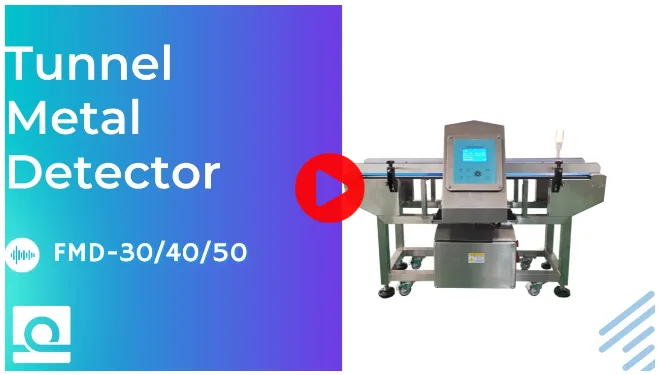
Bakery & Snack Food Manufacturing
- Application: Inline Conveyor Metal Detection for Packaged Biscuits
- Challenge: Biscuit manufacturers require reliable food metal detection systems to identify ferrous, non-ferrous, and stainless steel contaminants during high-speed production while minimizing false rejects and maintaining product quality.
- Solution: Foodman provided an industrial conveyor metal detector integrated into the biscuit production line, enabling continuous inspection of packaged biscuits with high-sensitivity contamination detection and automatic product rejection.
- Result: Improved food safety control, reduced contamination risks, enhanced HACCP compliance, and ensured consistent product quality throughout the biscuit packaging process.
Industrial Metal Detector Applications Across Food Industries
Seafood Processing
Seafood manufacturers use metal detection systems to identify contamination risks in fresh, frozen, and packaged seafood products.
Meat Processing
Foodman metal detectors help meat processors detect metal fragments caused by equipment wear during fresh and processed meat production.
Snacks & Bakery
Bakery metal detector ensure packaged snacks, biscuits, and bakery products meet strict food safety requirements.
Pharmaceuticals:
High-sensitivity metal detection supports quality control requirements in pharmaceutical manufacturing.
Dairy & Beverage
Inline metal detectors provide contamination control for bottled and packaged beverage production.
Ready Meals
Automatic metal detection protects ready meals and processed food products from foreign metal contamination.
Food Contamination Challenges Solved by Metal Detection Systems
Challenge 1: How do food manufacturers detect metal contamination?
Food metal detectors use electromagnetic field technology to identify metal contaminants passing through the inspection area and automatically trigger rejection or alerts.
Challenge 2: Can metal detectors detect stainless steel?
Yes. Advanced food metal detectors are designed to detect ferrous, non-ferrous, and stainless steel contaminants in different food products.
Challenge 3: Can metal detectors inspect packaged food?
Yes. Industrial metal detectors can inspect packaged products including snacks, frozen foods, bakery items, and prepared meals.
Chellenge 4: Why are metal detectors important in food factories?
Metal detection systems help prevent foreign object contamination, reduce recalls, and support food safety compliance requirements.

How Foodman Metal Detectors Improve Food Safety
Foodman metal detectors use advanced electromagnetic detection technology to monitor products as they pass through the inspection area. When metal contamination is detected, the system automatically alerts operators or removes the affected product.
Designed for modern food production environments, Foodman metal detection systems provide reliable inspection performance for wet, dry, packaged, and high-speed production applications.
Food Metal Detection Knowledge Center
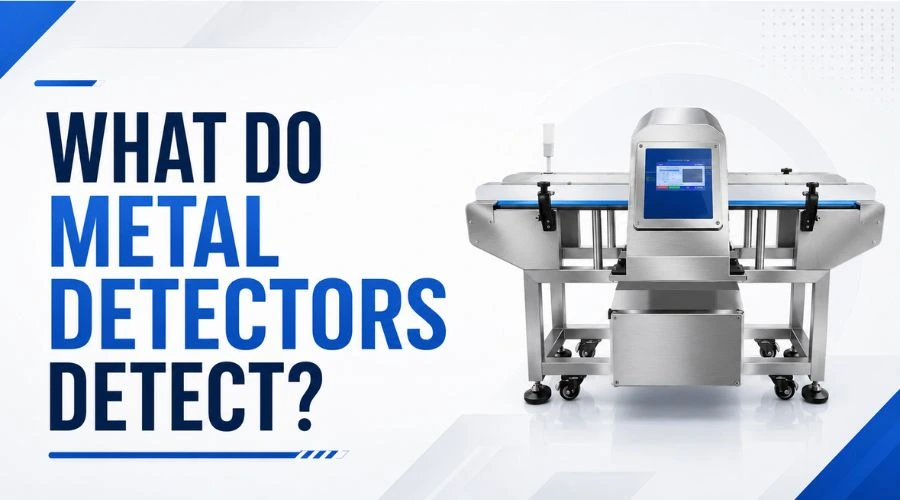
Stay updated with the latest knowledge about conveyor metal detector, metal detection for food industry, and industry compliance. These blogs explain how does metal detector work, what metals do metal detectors detect, and where to use a metal detector in modern industries.





FAQs Of Metal Detector
What is a food metal detector?
A food metal detector is an industrial inspection system designed to detect metal contaminants in food products during manufacturing and packaging.
What metals can food metal detectors detect?
Food metal detectors can identify ferrous metals, non-ferrous metals, and stainless steel contaminants.
Where are food metal detection equipment used?
They are widely used in meat, seafood, bakery, snacks, beverage, prepared food, and pharmaceutical industries.
What is the difference between a food industry metal detectors and an X-ray inspection system?
Metal detectors identify metallic contaminants using electromagnetic technology, while X-ray systems can detect multiple dense foreign objects including glass, bone, stone, and metal.
How do I choose a food processing metal detector?
Selection depends on product type, packaging material, production speed, detection sensitivity requirements, and food safety standards.