Introduction
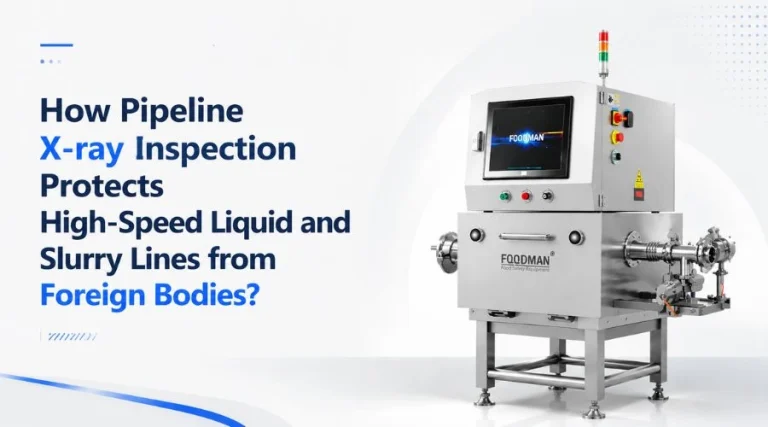
In the demanding world of dairy and sauce production, where Throughput and safety are non-negotiable, the integrity of your product is your brand’s greatest asset. Imagine a high-speed yogurt line or a premium pasta sauce facility; a single shard of stainless steel or a fragment of bone can lead to catastrophic recalls. This is where Pipeline X-ray Inspection steps in as the ultimate guardian. Unlike traditional methods, x ray food inspection offers a level of precision that makes it an indispensable part of x ray machine food industry standards.
The Engineering Behind Pipeline X-ray Inspection
At its core, Pipeline X-ray Inspection utilizes the density differences between the food product and foreign contaminants. When liquid or slurry flows through the x ray pipe, the x-ray inspection system scans the product stream in real-time. The fundamental physics relies on the Beer-Lambert law for X-ray absorption: I=I0e−μx
Where I is the detected intensity, I0e is the initial intensity, μ is the linear attenuation coefficient of the material, and μ is the thickness. Because contaminants like stone, glass, and metal have a significantly higher μ than dairy or sauces, the x ray detector food industry sensors identify these anomalies instantly.
Why Choose X-ray Over Traditional Metal Detectors?

While a metal detector x ray comparison often arises, the truth is that a x ray metal detector food industry setup offers superior versatility. A standard metal detector only finds conductive or magnetic materials. However, x ray for food industry applications can detect non-metallic bodies such as glass in dairy or poultry bone detection x-ray in meat-based slurries. This makes x ray for food inspection a far more comprehensive solution for food industry x ray needs.
The Dairy Industry: Precision for Viscous Liquids
The dairy sector operates with unique challenges. Whether it’s cream, yogurt, or melted cheese, these products are often pumped at high pressures and speeds. Pipeline X-ray Inspection is specifically designed for x-ray inspection for unpackaged products in these environments.
Detecting Contaminants in Dairy Slurries
In dairy, the risk of glass from broken light fixtures or stone from raw ingredients is real. A food x-ray machine optimized for pipelines can see through the dense yogurt stream. Furthermore, the x ray for food ensures that even stainless steel fragments—often used in dairy piping—are caught, despite being non-magnetic. This is why food x ray inspection systems are a staple in food x-ray inspection for global dairy giants.
Hygiene and the Open Frame Design
Dairy facilities require rigorous sanitation. Our pipeline x ray equipment features an Open Frame Design and is constructed from Stainless Steel AISI 304 Sorter grade materials. This ensures the food x ray equipment is HACCP compliant and can handle the acidic nature of some dairy products. The IP69K waterproof weight grader philosophy extends to our pipe x ray machine, ensuring it survives high-pressure washdowns.
How to Navigate Complex Particulates in the Sauce Industry?
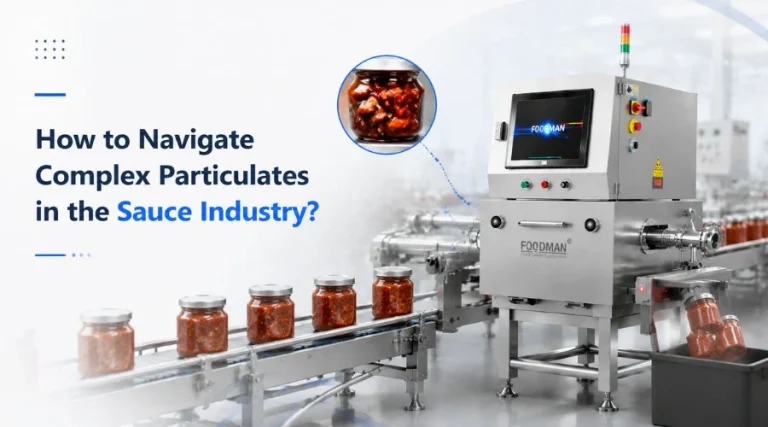
Sauces, ranging from smooth ketchups to chunky salsas and pesto, present a challenge for food x ray inspection equipment. The particulates in a sauce can mimic the density of certain contaminants. Advanced x ray food inspection systems use AI algorithms to differentiate between a piece of garlic and a dangerous fragment of glass.
Maintaining High Throughput in Sauce Lines
High-viscosity sauces require a pipe x ray that doesn’t restrict flow. Our pipeline x ray solutions are engineered to maintain maximum Throughput without compromising sensitivity. By utilizing x-ray inspection for food industry software, the system automatically adjusts to different product textures, making it a versatile x ray machine food industry tool.
Canned Food and Glass Jars
While pipeline systems catch contaminants before filling, many sauce manufacturers also employ canned food x-ray inspection or x-ray food packaging solutions downstream. For total protection, a combination checkweigher xray can be used at the end of the line, but the pipeline x ray inspection is the first and most critical line of defense for the raw slurry.
X-ray Meat and Poultry: The Slurry Challenge
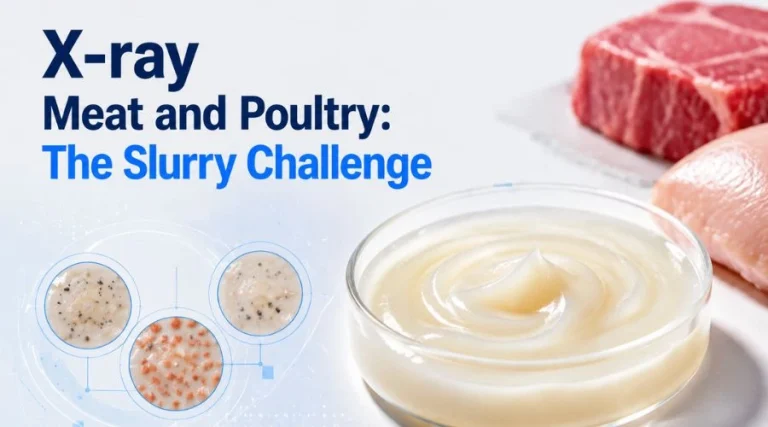
For manufacturers dealing with minced meat, sausages, or poultry-based baby foods, meat x ray machine technology is vital. X ray meat slurries often contain hidden bone fragments that are soft and undetectable by metal detectors.
Poultry Bone Detection X-ray
A dedicated poultry bone x-ray in a pipeline configuration can detect calcified bones as small as 2mm. This poultry bone detection x-ray capability is crucial for maintaining x ray food safety standards. Whether it’s a meat x ray machine for beef slurries or a poultry bone x-ray for chicken pastes, the x-ray inspection of food through a pipeline ensures the final product is safe for consumption.
Unpackaged Product Safety
Using x-ray inspection for unpackaged products allows the manufacturer to reject only the contaminated portion of the slurry, rather than a whole pallet of finished goods. This efficiency is why x ray food inspection equipment is favored by high-volume meat processors.
Pet Food and Specialized Applications
The pet food xray inspection market is growing rapidly. Owners demand the same x-ray food industry standards for their pets as they do for themselves. Pipeline x ray systems are perfect for meat-heavy pet food slurries, where poultry bone detection x-ray is a high priority. X ray for food inspection in this niche ensures that no x ray metal or bone makes it into the kibble or wet food.
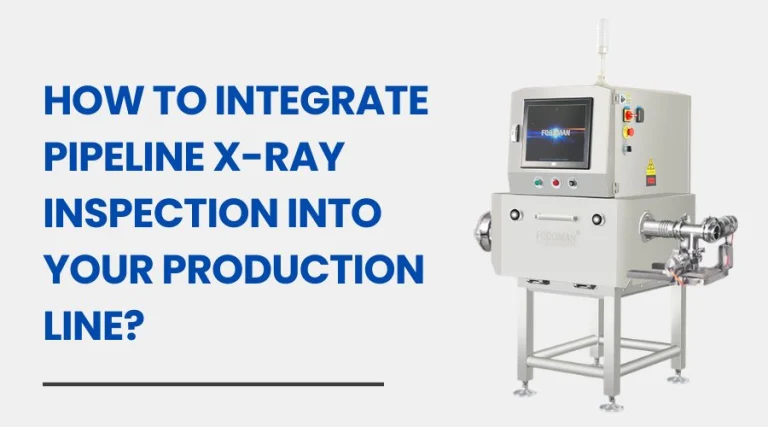
How to Integrate Pipeline X-ray Inspection into Your Production Line?
Step 1: Conduct a Product Density Audit
Before installing food x-ray inspection equipment, analyze the density of your dairy or sauce. This helps calibrate the X-ray machine food industry settings for maximum sensitivity.
Step 2: Determine Pipe Diameter and Flow Rate
Ensure your pipe x-ray machine matches your current infrastructure. Throughput depends on the x ray pipe size and the pressure of the pump.
Step 3: Install the Rejection Mechanism & Connect to Traceability Software
Whether it’s a piston or a diverter, the x ray inspection of food must result in the precise removal of the contaminated slurry.
Integrate the food x-ray machine with your ERP system. X ray food inspection data is vital for Traceability Image Logging.
Step 4: Employee Training on X-ray Food Safety.
Integrate the food x-ray machine with your ERP system. X ray food inspection data is vital for Traceability Image Logging.
Technical Features of Easyweigh Pipeline X-ray Systems
When you invest in food x-ray inspection systems, you are investing in sophisticated hardware. Our x-ray inspection system provides:
X-ray detector food industry excellence: High-resolution sensors for x ray food.
Pipeline x ray equipment durability: Built to last in harsh food x-ray packaging environments.
X ray machines for food industry connectivity: Full integration with Remote Support Capabilities.
X ray pipe versatility: Handles products from liquids to thick pastes.
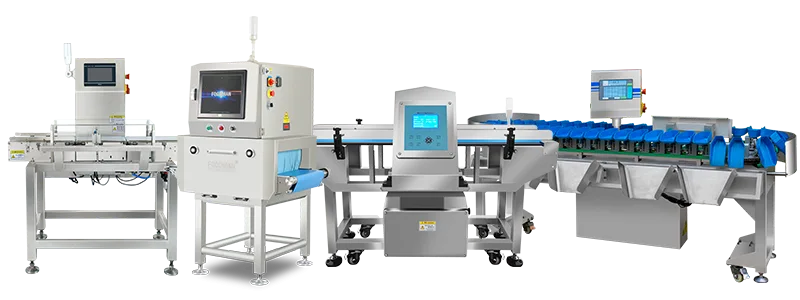
For some facilities, a combination checkweigher xray provides a space-saving solution. While the pipeline x ray handles the raw material, a combination checkweigher xray at the end of the line ensures x-ray packaged food is also weight-accurate.
Total Quality Control
By combining food inspection with x-ray and weighing, you create a fail-safe environment. X ray inspection systems food industry standards often suggest this “multi-point” approach. From x ray pipeline inspection at the start to food x-ray inspection systems at the finish, your food x ray strategy should be airtight.
Maintaining Your X-ray Machine for the Food Industry
Regular maintenance of your x ray machine food industry is non-negotiable.
- Check the X-ray Detector: The x ray detector food industry must be calibrated monthly.
- Sanitize the X ray Pipe: Ensure the pipeline x ray equipment is cleaned according to food grade standards.
- Update Software: Modern x ray inspection for food industry units rely on AI that improves with every update.
Case Study: Sauce Manufacturer Success
A leading Mediterranean sauce producer struggled with stone fragments in their pesto. Traditional x ray metal detector food industry units failed because stones aren’t metallic. By switching to Easyweigh Pipeline X-ray Inspection, they achieved:
- 99.9% detection of stone and glass.
- Zero false rejects due to “chunky” particulates.
- Increased Throughput by 15% using a high-speed pipe x ray.
This is a prime example of how food inspection x ray technology saves money and brand reputation. X ray for food isn’t just an expense; it’s an investment in x ray food safety.
Conclusion
- Pipeline X-ray Inspection is the gold standard for high-speed dairy and sauce lines, offering protection that a x ray metal detector food industry simply cannot.
- X ray food inspection excels at finding glass, stone, and poultry bone detection x-ray in complex slurries.
- The food x-ray inspection equipment must feature an Open Frame Design and Stainless Steel AISI 304 Sorter construction to stay HACCP compliant.
- X ray for food industry applications provide significant ROI by reducing recalls and improving x ray food safety.
- High Throughput is maintained by using specialized pipe x ray designs that don’t obstruct flow.
- Combination checkweigher xray systems and pipeline x ray units work together to provide total protection from raw material to x-ray packaged food.
Easyweigh’s food x-ray inspection systems are built for the future, utilizing x ray detector food industry technology that integrates seamlessly with your facility’s data.
By implementing a robust food x ray strategy, you aren’t just complying with regulations; you are ensuring that your brand remains synonymous with quality. Whether you need an x ray for food inspection, a meat x ray machine, or a pipe x ray, Pipeline X-ray is the answer.
Would you like to explore how our Pipeline X-ray Inspection can be customized for your specific sauce viscosity or dairy production speed?
FAQs
What is the primary advantage of Pipeline X-ray Inspection for liquids and slurries?
The primary advantage of a pipeline x ray system is its ability to perform high-speed x-ray inspection for unpackaged products before they reach the filling station. In the dairy and sauce industries, x ray pipeline inspection allows for the detection of contaminants like glass, stone, and high-density plastics that a standard x ray metal detector food industry unit might miss. By utilizing a specialized x ray pipe, the x-ray inspection system identifies foreign bodies in the flow, triggering a rejection valve to remove only the contaminated portion, which significantly reduces product waste compared to rejecting finished food x-ray packaging.
Can food x-ray inspection equipment handle high-speed dairy and sauce lines?
Yes. Modern food x-ray inspection equipment and x ray machines for food industry use are designed to maintain maximum Throughput. Whether you are running a viscous chocolate sauce or a high-volume yogurt line, the pipe x ray is engineered to avoid flow restriction. X ray for food industry settings often utilizes advanced algorithms that can ignore “noise” from particulates (like fruit pieces in yogurt) while maintaining high sensitivity for actual hazards. This makes food x ray inspection systems indispensable for high-speed food industry x ray environments.
Is x-ray food inspection safe for organic and pet food products?
Absolutely. X ray food inspection uses very low energy levels that do not linger in the product or affect nutritional value. This is a common concern in pet food xray inspection and human xray food inspection. The x rays in industry are used strictly for imaging, much like a medical scan. X ray for food is globally recognized as a safe and effective method for x ray inspection of food, ensuring that pet food xray inspection meets the same rigorous standards as x-ray packaged food for human consumption.